 Travel
  Gift
Gift  Beauty Corner
 Viral
Viral 












OUR UNIVERSES
Enjoy and explore the themed experiences created for those who are looking for something more
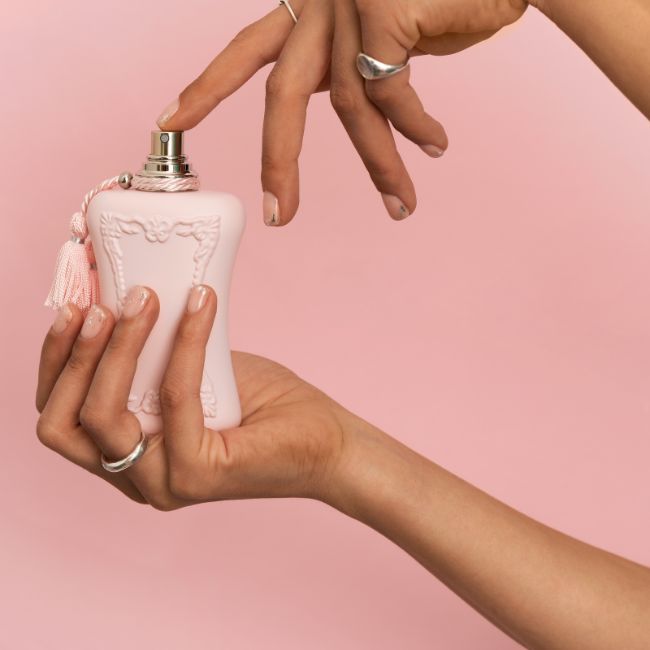
Have you ever loved a perfume, but felt like it was missing "something"? Like it was perfect, but still didn't quite suit you.
Sometimes it's not about finding a better fragrance, but about learning how to combine the ones you already have. Just like in fashion or makeup, the secret is knowing how to mix and match.
That's where perfume layering comes in: a way to create your own scent , more personal, more complex and completely yours.
The word layering comes from English and literally means "overlap" or "putting on layers," and that's exactly what we do with perfumes : create layers of scent to achieve something unique.
It's not a new concept, but it's becoming increasingly popular because it addresses a very current need: to stop smelling "like everyone else." Instead of using a single, fixed perfume, you start building your scent in layers, adapting it to your style, your mood, or even the occasion. It's essentially a way to personalize your olfactory identity .

Although there is no single structure for creating a perfume, classical perfumery is based on an olfactory pyramid that helps to understand how a scent evolves on the skin. Generally, fragrances are built from three types of notes:
This structure is due to a key factor: each ingredient evaporates at a different rate. The lighter notes disappear sooner, while the denser ones linger for hours.
Even so, it's not a hard and fast rule. Some fragrances evolve differently or maintain a more linear scent. But understanding this basic principle helps you better understand how a perfume behaves.
When you layer fragrances , you're combining these layers. Therefore, rather than simply adding scents haphazardly, the secret lies in finding balance. A good starting point is to mix a lighter fragrance with a deeper one, allowing them to complement each other rather than compete.
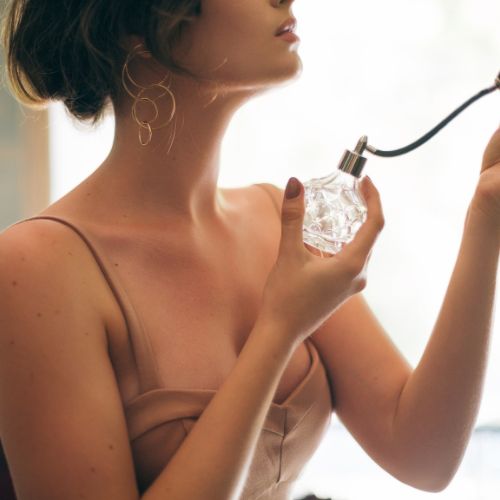
Once you understand how a perfume is structured, the next step is knowing where to apply it. For layering to work, you don't always need to spray one perfume directly on top of another. Body heat is your best ally:
If you're new to layering , there's no need to overcomplicate things. These combinations are the ideal starting point for understanding how chords interact depending on what you want to project:
It blends citrus with woody notes. They provide a clean energy with a warm undertone that lasts longer.
Opt for florals with vanilla. The result is captivating, elegant, and perfect for a special date.
It combines fruity notes with musk. Ideal for everyday wear thanks to its versatile and lightweight finish.
Dare to try oriental and spicy scents. They create an intense, deep aroma with a lot of personality.
Your secret formula may vary depending on the outside temperature, as heat intensifies the notes:
This is where you make the difference between a failed experiment and an irresistible olfactory signature . Follow this order so your perfumes don't clash:
Layering is not about having more perfumes, but about getting more out of the ones you have.
When you understand how to combine fragrances, you stop relying on a single choice and start building something of your own. Something that changes with you, with your day, with how you feel.
And that's where perfume stops being just a scent... and becomes a form of expression.
Just register and we'll send you a welcome email with the bonus.





 Personalised
 Beauty corner
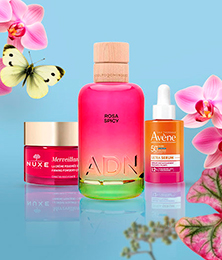 Universe
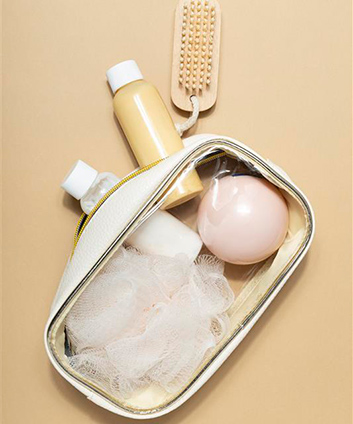 Your essentials
 Special
 SUNGLASSES








 Commitment to
 Mothers
 Sunglasses




 Your beauty
 Download