 Travel
  Gift
Gift  Beauty Corner
 Viral
Viral 












OUR UNIVERSES
Enjoy and explore the themed experiences created for those who are looking for something more
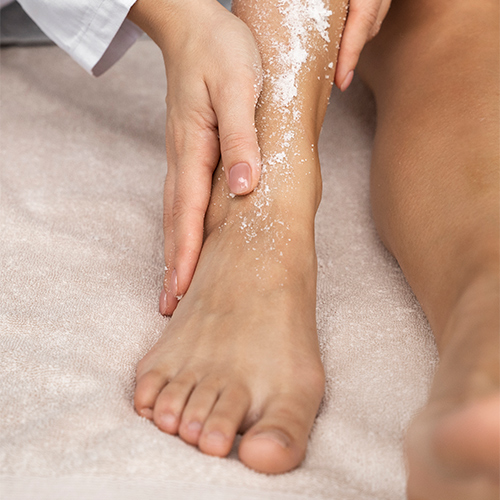
Calluses , or hyperkeratosis, are areas where the skin has thickened to protect itself from friction or pressure. It's our body's natural defense against external aggression. They usually appear on the heel, sole, or sides of the foot, and although they don't hurt at first, over time they can become uncomfortable and even crack.
Feet are more exposed and suffer more during the warmer months. In summer, we walk barefoot and wear sandals or flip-flops, which causes more friction and dehydration than usual. High temperatures also dry out the skin, and sweat disrupts its natural balance.

| TYPE OF HARDNESS | DESCRIPTION |
|---|---|
| SURFACE HARDENING | Wide, hardened areas, especially on the heel. |
| HARD CORNS | Smaller, localized areas, often painful when walking. |
| SOFT CORNS | Appear between the toes, where there is more moisture. |
| HELLOMAS / "CORN EYE" | Corns with a small, compact, hard central core. |
Let's get straight to the point: how to remove calluses on your feet effectively without resorting to harsh treatments.
Softening: The First Step to Success
Prepare a foot bath with warm water and mild soap and soak your feet for 10-15 minutes. You can add a tablespoon of baking soda if you like. This step will soften the skin, preparing it for a more effective exfoliation.
Exfoliate: goodbye dead skin
While your feet are still damp, exfoliate them with gentle circular motions on the hardest areas. Then use a pumice stone or foot file, if you feel it's necessary—do not press too hard, so as not to damage the skin.
Hydrate: the step that should never be missed
After exfoliating, apply a cream specifically for calluses or dry feet.
Look for ingredients like urea, shea butter, glycerin, or lactic acid. After moisturizing, put on a pair of cotton socks and let the cream sit overnight. You'll wake up with silky-soft feet.


 Personalised
 Beauty corner
 Universe
 Your essentials
 Special
 SUNGLASSES









 Commitment to
 Mothers
 Sunglasses
 Your beauty
 Download