
 Travel
  Gift
Gift 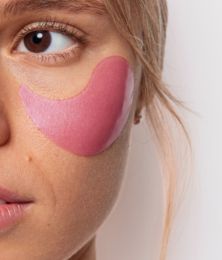 Beauty Corner
 Viral
Viral 















OUR UNIVERSES
Enjoy and explore the themed experiences created for those who are looking for something more

Have you ever tried on a piece of clothing or lipstick that looked gorgeous on someone else, but just didn't work on you? Sometimes the problem isn't the clothes, makeup, or shade you chose, but how that color interacts with your skin, eyes, and hair.
Many people feel that certain colors make them look dull, tired, or even older, without understanding why. That's where color analysis comes in: a tool that helps identify which shades harmonize best with you and which ones might make you look less radiant.
Color theory isn't a passing trend; it has become a practical guide for choosing makeup, clothing, hair dye, and accessories with greater confidence. Understanding it doesn't mean limiting yourself, but rather learning to use color to your advantage to naturally enhance your features.
Colorimetry is the scientific analysis of the tones that harmonize with your natural features. It's not a rigid rule, but a reliable tool that analyzes your skin undertone , eye color, and hair color to determine which color range enhances your natural radiance.
You've probably noticed that certain colors make your skin look even and rested, while others seem to accentuate dark circles or redness. This happens because color has a temperature and depth; when these match yours, the result is an immediate visual harmony that makes you glow without filters.
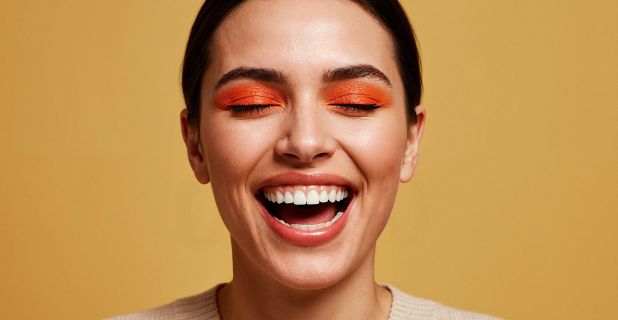
To master colorimetry, the first step is to know your undertone. Unlike skin tone (which can change if you tan), undertone is permanent.
Your skin has golden or peach undertones. Earth tones, coral, and gold accessories will suit you.
Pink or blue undertones predominate. Your skin stands out with jewel tones (emerald, ruby), grays, and silver jewelry.
You have a balance between both, which allows you to play with almost the entire color palette.
Quick tip : Look at the veins on your wrist in natural light. If they appear greenish, you have warm undertones; if they tend toward blue or violet, you have cool undertones. If you can't quite make them out, congratulations! You're probably neutral.
Understanding your color palette can make your makeup look much more balanced and natural. It's not about following strict rules, but about choosing shades that complement the harmony of your face.
Warm undertone : these people are usually flattered by eyeshadows in earth tones, coral or terracotta lipsticks and peach blushes.
Cool undertone : those with cool harmonies tend to stand out more with bluish pinks, plum, burgundy and mauve tones.
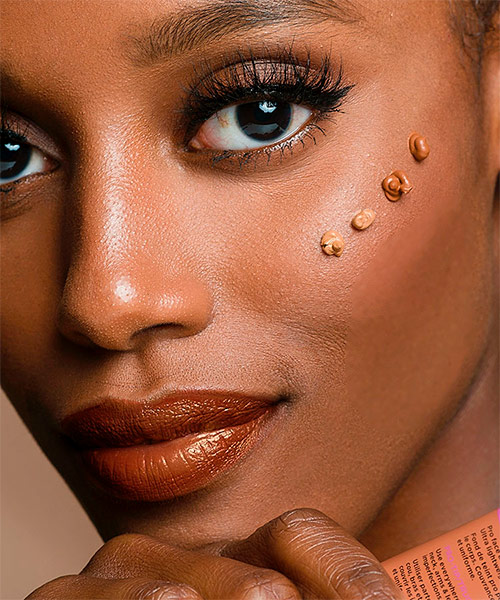
This also influences the choice of foundation. Often, a foundation looks odd not because the color is too light or dark, but because the undertone doesn't match the skin's. Color analysis also helps to visually correct certain areas. For example, salmon-colored concealers help neutralize bluish under-eye circles, while greenish tones are often used to reduce redness.
When colors are harmonized correctly, makeup doesn't feel heavy or artificial. The face simply looks more rested, radiant, and balanced.
Understanding your color palette not only transforms your face, it also optimizes your wardrobe. How many times have you bought something you loved on the hanger, but never worn? Color analysis helps you build a cohesive and efficient wardrobe.
People with warm undertones tend to look their best in beige, mustard, olive green, and terracotta. Conversely, cool undertones find their greatest beauty in navy blue, dusty rose, pearl gray, and pure white. By choosing garments worn near the face (such as t-shirts or scarves) that complement your undertone, you'll achieve an instant healthy glow, even on those days when you haven't slept enough.
Changing your hair color can completely transform your facial expression. However, not all shades have the same effect.
Sometimes hair dye can harden features or make skin look dull, even if the color is fashionable. That's why color analysis is also widely used in hairdressing.
People with warm harmonies are often favored by:
In contrast, those with cool undertones tend to harmonize better with:
This doesn't mean you should limit yourself to only certain shades, but it is helpful to understand which tones can brighten your face. Color analysis can also help you decide if balayage, highlights, or a radical change is really right for you before you commit to it.
One of the most common mistakes is thinking that color theory is about following rigid rules. In reality, it should be understood as a flexible guide that enhances your image without losing your essence. These are the most common errors:
At the end of the day, color theory isn't a cage of rules, but a map to your best self. It's not about forbidding yourself from wearing black or fuchsia, but about understanding how to make each shade work for you, not the other way around.
When you choose colors that resonate with your natural light, it's not just what the mirror reflects that changes; it's your confidence, your energy, and that spark that makes you feel unstoppable. Dare to play with your color palette and rediscover your beauty in a new light!
Just register and we'll send you a welcome email with the bonus.





 Personalised
 Beauty corner
 Universe
 Your essentials
 Special
 SUNGLASSES









 Commitment to
 Mothers
 Sunglasses





 Your beauty
 Download