 Travel
  Gift
Gift  Beauty Corner
 Viral
Viral 













OUR UNIVERSES
Enjoy and explore the themed experiences created for those who are looking for something more
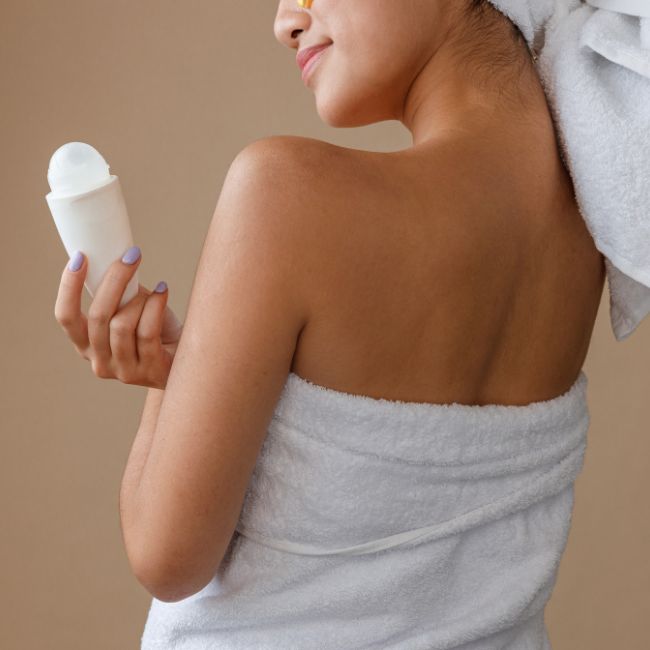
Have you ever picked out your favorite black t-shirt, applied deodorant, and then, upon leaving the house, noticed those white marks on the fabric? Or worse: stains that don't come out with washing and end up ruining the garment.
The problem isn't that the deodorant doesn't work, but that it's not always the right one for your skin… or your clothes. The good news is that the problem isn't you, but the chemistry of what you're using, but when you understand what to look for, everything changes.
White or yellow stains don't appear by chance. They are usually related to certain ingredients in deodorant , especially aluminum salts and waxes present in many conventional antiperspirants .
When these components come into contact with sweat and the fibers of the fabric, they can solidify and adhere to the surface of the garment, creating that visible film that is difficult to remove on dark fabrics or even permanent stains on light-colored garments.
In addition, when the formula is not properly absorbed into the skin, the excess is more likely to transfer directly to clothing when getting dressed or through friction throughout the day.
Understanding this process is what truly makes the difference, because it allows you to identify which types of formulas tend to leave residue and why some work better than others on dark garments.

Now that you know why the stains appear, it's time to decide what type of product to use:
The key is to choose formulas that adapt to your lifestyle without causing irritation or leaving visible residue.
For example, if you don't sweat much or are looking for more comfort, a light deodorant might be enough. For heavy sweating or long days, an antiperspirant with invisible technology is more effective without compromising your skin's health.
There is no universal format, but rather the one that fits your routine:
It offers a fresh sensation and light hydration. Ideal if you have a few seconds before getting dressed and are looking for direct contact with your skin.
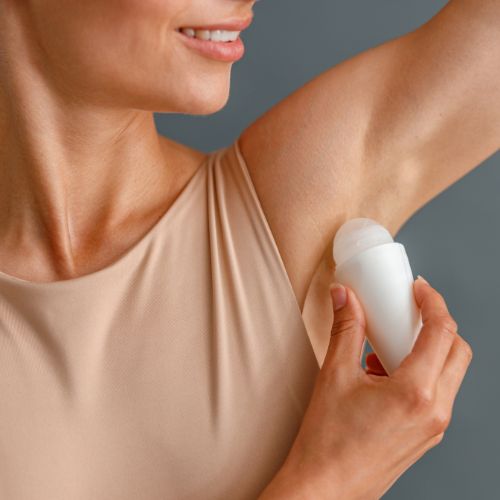
Practical and quick, perfect for those who are always in a hurry. The "invisible" versions reduce the risk of transferring product to black clothing .
If you have sensitive skin , look for calming ingredients that protect the skin while preventing blemishes. This way you combine effectiveness with skincare.
For those who prefer simple and gentle formulas, mineral deodorants or those with light essential oils are an interesting alternative.
They don't block sweat like an antiperspirant, but their residue is minimal, keeping your clothes spotless.
Furthermore, they respect the skin's natural microbiota, making them ideal for delicate fabrics like cotton or silk. It's the perfect choice if you're looking for minimalist care that's kind to both your body and your clothes.
We don't all need the same thing, and this is where content becomes really useful:
Opt for gentle formulas, without alcohol or strong perfumes.
Choose lightweight and breathable options; they are usually sufficient.
You need effective antiperspirants , but with anti-residue technology.
Many stains do not come from the deodorant itself, but from common mistakes in its application.
Choosing the right deodorant isn't just about aesthetics; it's about simplifying your daily routine. When you choose a formula that's gentle on your skin and clothes, that constant worry about getting dressed disappears, especially if black is a wardrobe staple.
Ultimately, it's not about giving up deodorant, but about using one that truly suits you. Whether you prefer a powerful antiperspirant or a gentle mineral formula, the key is making informed choices based on your individual needs and lifestyle.
Just register and we'll send you a welcome email with the bonus.





 Personalised
 Beauty corner
 Universe
 Your essentials
 Special
 SUNGLASSES









 Commitment to
 Mothers
 Sunglasses
 Your beauty
 Download



.jpg)