 Gift
 Autumn
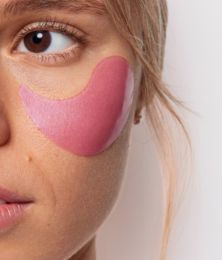 Beauty Corner
 Viral







OUR UNIVERSES
Enjoy and explore the themed experiences created for those who are looking for something more
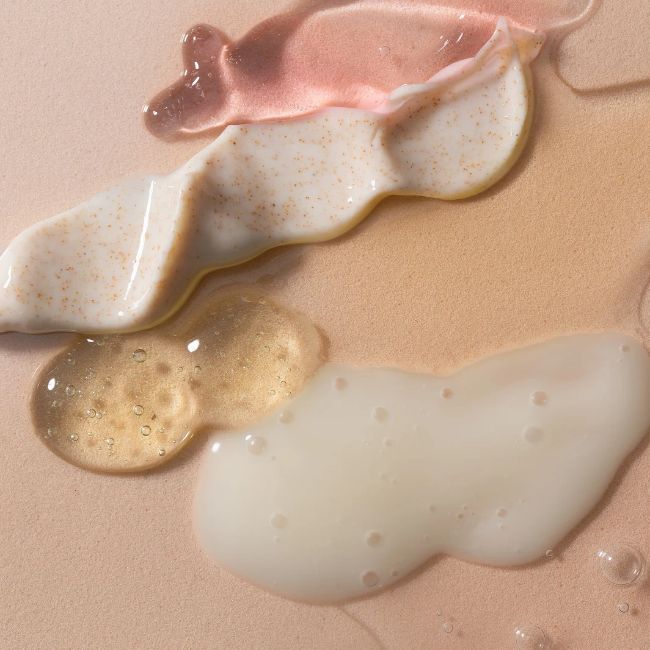
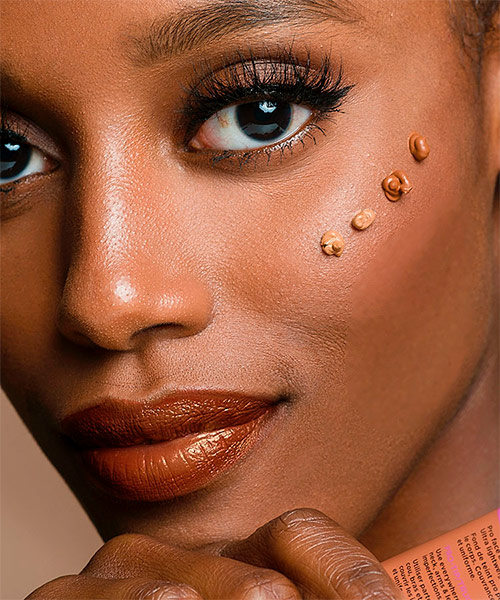
The texture of a cosmetic influences how it spreads on the skin and the ability of its ingredients to work effectively.
Two products with the same active ingredient can offer different results depending on their formulation and absorption capacity. Although for years the focus has been primarily on ingredients, texture also plays an important role. It influences hydration, finish, ease of use, and how easily the product can be combined with other cosmetics in your routine.
In this article we explain why texture matters so much and how to choose the one that best suits your skin's needs.

The texture of a product is the first step in determining whether a formula suits your skin or works against it.
The gel has a light, water-based texture that usually absorbs quickly, leaving skin feeling fresh and residue-free. It's generally well-suited to oily or combination skin, especially during the warmer months.
The lotion is somewhere between a gel and a cream. It's fluid, easy to spread, and moisturizes without feeling heavy, which is why it usually works well on normal skin, which doesn't need to be too light or too thick.
Cream is the most common texture in facial care. Its consistency allows for the combination of moisturizing and emollient ingredients that help keep skin soft and reduce water loss. Richer formulas are usually especially suitable for dry skin, including mature skin.
Lip balm has a denser texture and is generally rich in emollient and occlusive ingredients. It helps protect the skin and retain moisture. It's a good option for very dry skin, for specific areas like the lips, or as the last step in a nighttime skincare routine.
Oil , on the other hand, provides nourishment and softness without the heaviness of a balm, helping to strengthen the skin barrier. Although it's often associated with dry skin, some formulas can also be suitable for other skin types. The important thing is to choose a product that suits your skin's needs and use the recommended amount.
The way a cosmetic ingredient is released and acts on the skin depends, among other factors, on the product's formulation. Texture can influence this process, but it does not, on its own, determine the depth of penetration or the ingredient's effectiveness.
Light textures , like those of many serums and gels, tend to spread easily and leave a less greasy feeling. That's why these products are usually applied before richer creams. In contrast, creams and balms work gradually, keeping skin hydrated for longer.
When the texture doesn't suit the skin type, the active ingredient loses effectiveness. A very thick cream on oily skin can clog pores. A texture that's too light on very dry skin can evaporate before it can take effect.
The ideal texture depends on your skin type, its needs at any given time, and the season. For example, during the winter you might need a richer cream, while in the summer you might prefer a lighter lotion. If you have dry skin, you can also combine a day cream with a night balm on the areas that need extra protection.
Before buying, consider the format as well as the ingredient your skin needs. The same need can be met with different textures, and choosing wisely is what makes a routine truly effective.
At Perfume's Club you will find a wide selection of cosmetics with different textures for the face and body , designed for every skin type or need.
Just register and we'll send you a welcome email with the bonus.


 Perfume
 Beauty Corner
 Univers
 Univers


 Commitment to
 Mothers
 Sun creams
 Sunglasses
 Beauty
 SUNGLASSES
 Your beauty
 Download