 Gift
Gift  Autumn
  Beauty Corner
 Viral
Viral 














OUR UNIVERSES
Enjoy and explore the themed experiences created for those who are looking for something more
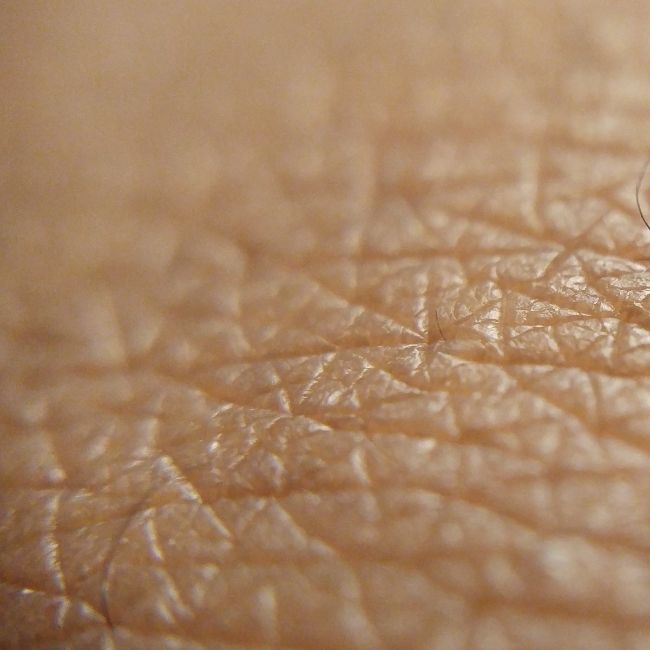
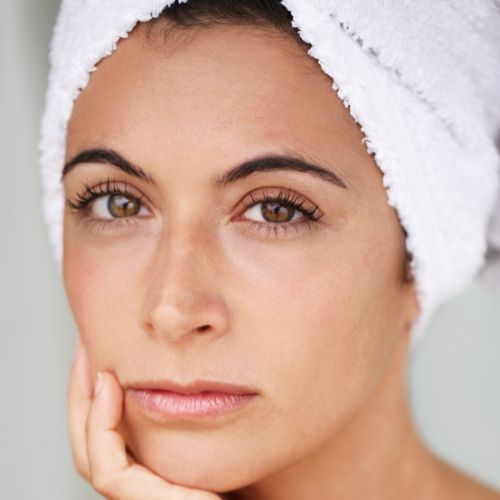
You use your usual cream and suddenly your face stings. You notice your skin feels tight by mid-afternoon, with redness on your cheeks and a rough texture that no moisturizer seems to soothe.
It's easy to think it's due to age, hormones, or even environmental pollution. But often the explanation is simpler: your skin barrier is showing signs of exhaustion.
We'll review how to detect the symptoms early, why this condition occurs, and, above all, what to do to restore calm to your skin as soon as possible.
The skin is the body's largest organ, and its outermost layer, the stratum corneum , is what we know as the skin barrier. A simple way to understand it: imagine a brick wall, where the skin cells are the bricks and the mortar holding them together is made up of lipids like ceramides, cholesterol, and fatty acids.
This barrier serves two key functions. On one hand, it retains moisture so that water doesn't evaporate from the tissues. On the other hand, it acts as a shield against bacteria, pollution, allergens, and other irritants.
The problem arises when that protective barrier wears down: it becomes porous, the skin loses moisture, and everything from the outside penetrates more easily. That's when the typical feeling of sensitive or reactive skin begins.
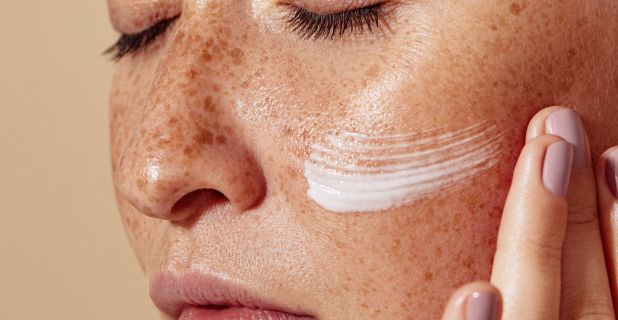
When this protective barrier is compromised, the skin usually gives warning quite quickly. These are the most common signs:
Sometimes, in the attempt to have perfect skin , we end up going too far.
This is usually due to a combination of unsuitable habits and products: excessive exfoliation or use of potent active ingredients (such as retinol, glycolic acid, or salicylic acid) without allowing the skin to rest for a few days; overly aggressive cleansers with strong sulfates that also strip away natural oils; washing the face with very hot water , which dissolves the protective lipid layer; and external factors such as intense cold, wind, heating, or unprotected sun exposure, which gradually weaken the tissue.
If you've identified with the symptoms above, don't worry. Skin has an enormous capacity for regeneration when you give it what it needs. Here's the emergency plan:
Step 1 — Simplify your routine . Immediately stop using exfoliating acids, retinol, concentrated vitamin C, and facial brushes. Stick to the essentials: gentle cleanser, repair cream, and sunscreen .
Step 2 — Cleanse very gently . Switch from foaming gels to oil-based cleansers, cleansing milks, or balms without sulfates or synthetic perfumes.
Step 3 — Choose active ingredients that rebuild the barrier . Look for formulas with ceramides, which help restore the lipid matrix; niacinamide , which calms inflammation and promotes lipid production; hyaluronic acid and panthenol (vitamin B5) , which provide moisture and accelerate healing; and centella asiatica, a very complete natural soother and regenerator.
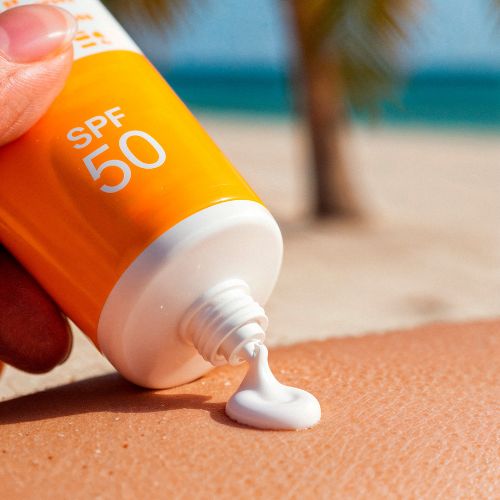
Step 4 — Don't forget sunscreen . UV rays further inflame already weakened skin, so it's best to use a high-tolerance sunscreen, preferably with mineral filters or designed for sensitive skin.
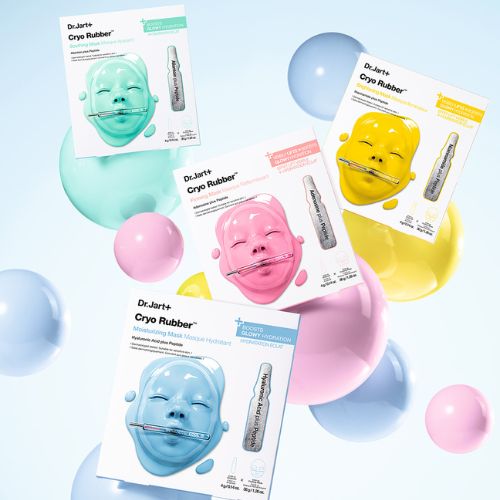
To restore comfort and elasticity to your skin, incorporating an intensive treatment makes all the difference. Balm or gentle occlusive cream textures (with shea butter , squalane , or ceramides ) form a protective film over the epidermis, allowing the skin to repair itself from within while remaining protected from the outside.
Ideally, this type of treatment should be applied morning and night to slightly damp skin to better seal in moisture. In just a few days, you'll notice the burning sensation disappears and your skin regains its suppleness.
How long does it take for the skin barrier to repair itself?
If you simplify your routine and use the right products, you'll usually see relief in 2 or 3 days. But complete regeneration of the stratum corneum can take between 2 and 4 weeks.
Can I continue using retinol while I repair it?
It's not a good idea. It's recommended to pause all transformative active ingredients (retinoids, chemical exfoliants, or peels) until the skin is calm and free of redness.
Can oily skin also have a damaged barrier?
Yes, and it's actually more common than you might think. Oily skin that's dehydrated or irritated tends to produce more sebum as a compensatory mechanism, which can worsen breakouts.
Repairing a damaged skin barrier doesn't require ten-step routines or miracle products. Quite the opposite: the key is to slow down, simplify, and opt for gentle formulas rich in ceramides and soothing active ingredients.
As soon as you give your skin a break and the right nutrients, the tissue begins to regenerate naturally. Give it a couple of weeks of basic care and you'll see how it regains its elasticity, its well-being, and that healthy glow you love.
Just register and we'll send you a welcome email with the bonus.





 Perfume
 Beauty Corner
 Univers
 Univers







 Commitment to
 Mothers
 Sun creams
 Sunglasses
 Beauty
 SUNGLASSES




 Your beauty
 Download