 Travel
  Gift
Gift  Beauty Corner
 Viral
Viral 













OUR UNIVERSES
Enjoy and explore the themed experiences created for those who are looking for something more

There are hygiene products we buy almost on autopilot: we grab our usual one, without reading the label, without asking ourselves if it's really right for us. Deodorant is often one of them. And yet, it's a product we use every day on a particularly delicate area, with its own needs, its own skin, and its own reactions.
Choosing the wrong product can result in anything from simple discomfort, like stains on your clothes or a feeling of tightness, to more troublesome problems such as chronic irritation, darkened underarm skin, or protection that disappears before the morning is over. The good news is that, with a little information, choosing the right product is much easier than it seems.
Before discussing formats and assets, there is a basic distinction worth clarifying because many people confuse it, and this conditions their choice from the beginning.
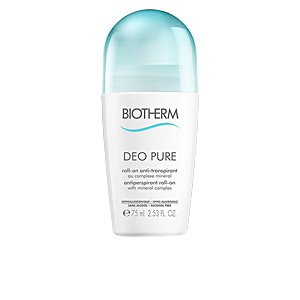
A deodorant works against odor. It neutralizes the bacteria that form in the armpit and are responsible for body odor, but it doesn't prevent the body from sweating. An antiperspirant , on the other hand, reduces sweating by using aluminum salts that temporarily block the sweat ducts.
Which one to choose? It depends on your needs. If you're just looking to control odor, a deodorant is usually enough. If you sweat a lot or have hyperhidrosis, an antiperspirant can offer greater protection.
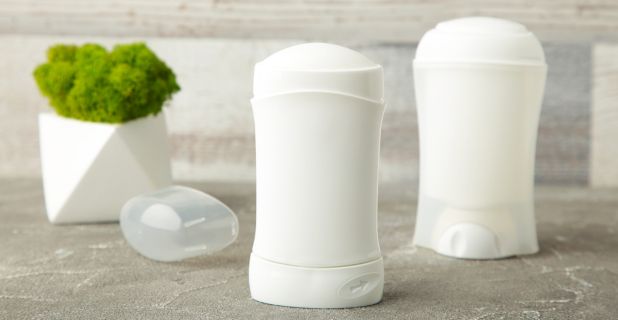
The format of the deodorant is not a matter of aesthetics, but of effectiveness and comfort according to your skin type and your routine:
Ideal for sensitive skin. It applies just the right amount of product and usually has gentler formulas.
It dries quickly and is practical for busy mornings, although it can irritate reactive skin due to the alcohol or propellant gases.
Convenient, clean, and easy to carry. It lasts a good amount of time, but it's best to choose invisible formulas to avoid staining clothes.
The most hydrating option. Perfect for dry or sensitive skin that needs extra comfort.
This is one of the points where the most mistakes are made, because we tend to choose deodorant based on smell or out of habit, without thinking about what our skin really needs:
Reading a deodorant label might seem like an exercise for experts, but there are a few key ingredients that will empower you to make an informed decision:
They reduce sweating, but can irritate sensitive skin.
It provides antibacterial action, although it dries out and sensitizes the skin.
Common in natural deodorants; effective, but irritating to some skin types.
They help to balance the underarm microbiome.
They offer gentle protection and good tolerance.
This question causes a lot of confusion and, above all, a lot of disappointment when someone switches to a natural deodorant expecting the same results as with a conventional antiperspirant. The key is understanding what they do and what they don't.
For many people, they work perfectly for everyday use, although when switching from aluminum-based formulas, there may be an adjustment period of two to four weeks, during which the deodorant may seem ineffective. This is a normal process, and it's worth being patient.
Sometimes the product isn't faulty, but rather the way we use it. These are the most common reasons:
Choosing a deodorant shouldn't be a knee-jerk reaction when you run out of the old one. It's a small decision, but it adds up every day, for skin that deserves care and respect.
Now that you know the difference between deodorant and antiperspirant, are familiar with the different formats, understand which ingredients are important, and know how to choose the right one for your skin type, you're in a much better position to make an informed decision. You don't have to get it perfect the first time; sometimes you need to try two or three options before finding the one that's right for you. The important thing is knowing what you're looking for and why.
Just register and we'll send you a welcome email with the bonus.





 Personalised
 Beauty corner
 Universe
 Your essentials
 Special
 SUNGLASSES








 Commitment to
 Mothers
 Sunglasses
 Your beauty
 Download