 Travel
  Gift
Gift  Beauty Corner
 Viral
Viral 












OUR UNIVERSES
Enjoy and explore the themed experiences created for those who are looking for something more
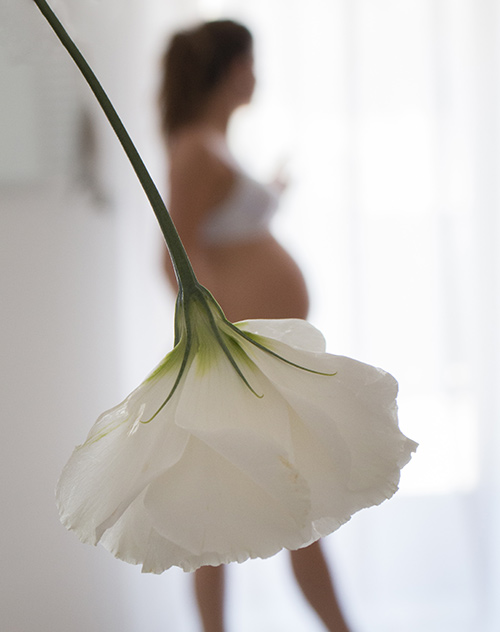
Pregnancy is a unique and transformative stage, full of physical and emotional changes that mark a before and after in a woman's life. In this context, personal care takes on special importance, because it's not just about beauty, but also about well-being and safety. Many expectant mothers seek information on safe cosmetics during pregnancy and routines that allow them to take care of themselves without worrying about possible risks to the baby.
What's not always known is that there are prohibited ingredients that should be avoided during pregnancy , found in creams, serums, hair dyes, or body treatments. These active ingredients can be absorbed through the skin, inhaled, or have adverse effects during this delicate stage. Therefore, knowing which beauty products pregnant women shouldn't use is essential to protect both your health and that of your baby. In this article, you'll find a complete guide to cosmetic ingredients not recommended during pregnancy , explained in simple terms, along with safe alternatives so you can enjoy your personal care routine with confidence and peace of mind.
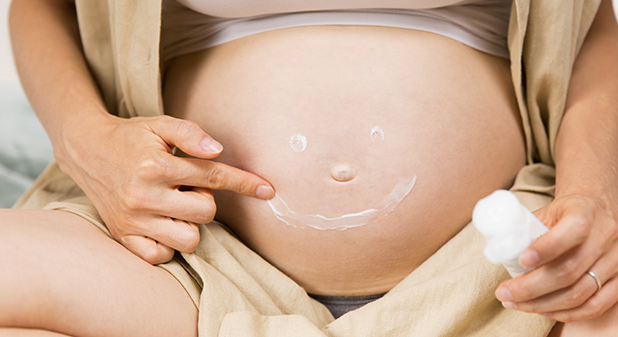
Retinoids are derivatives of vitamin A, very popular in cosmetics for their anti-wrinkle effects and their effectiveness in treating acne. Excess vitamin A and its derivatives have been shown to cause fetal malformations.
This ingredient is often found in anti-aging creams, rejuvenating serums, and topical acne treatments. Other safe alternatives include azelaic acid , vitamin C , and niacinamide.
Salicylic acid is used to exfoliate skin, unclog pores, and treat acne. Avoid high concentrations (peels or intensive treatments) as they can be dangerous. This ingredient is found in chemical exfoliants, toners, and acne creams. Some safe alternatives include lactic acid or gluconolactone (PHA) .
This ingredient is used in lightening creams to treat dark spots and melasma, which are very common during pregnancy. Hydroquinone has a very high skin absorption rate, and there are no studies supporting its safety in pregnant women. Other safe alternatives include kojic acid , vitamin C , and niacinamide .
Some hair treatments, such as straighteners and certain nail polishes, contain formaldehyde. These ingredients are associated with toxicity, cancer risk, and respiratory problems. They are present in keratin treatments with formaldehyde and nail hardeners. Always opt for formaldehyde-free straighteners.
Although essential oils are natural, not all are safe during pregnancy. Some can induce uterine contractions or have toxic effects. These are found in aromatherapy, creams, or body oils. It is advisable to use pure plant oils such as sweet almond , jojoba , or rosehip , and avoid those containing sage, rue, pennyroyal, cinnamon, or rosemary.
They are used as preservatives or fixatives in cosmetics, but some studies suggest they may have hormonal effects. Although there is insufficient scientific evidence, experts recommend choosing cosmetics free of phthalates and parabens. These ingredients are found in perfumes, hair products such as shampoos, hairsprays, and moisturizers.
Traditional hair dyes may contain ammonia, hydrogen peroxide, and other harsh substances. Inhaling the fumes can be irritating, and it's advisable to avoid them at least during the first trimester. A safe alternative is vegetable dyes or ammonia-free hair color.
Final tips for a safe beauty routine during pregnancy
Pregnancy doesn't mean giving up on self-care, but rather adapting your beauty routine with safe ingredients . Avoiding retinoids, hydroquinone, harsh acids, formaldehyde, dangerous essential oils, and harsh chemicals on your hair is the best way to protect your baby while taking care of yourself.





 Personalised
 Beauty corner
 Universe
 Your essentials
 Special
 SUNGLASSES






 Commitment to
 Mothers
 Sunglasses
 Your beauty
 Download