 Travel
  Gift
Gift  Beauty Corner
 Viral
Viral 













OUR UNIVERSES
Enjoy and explore the themed experiences created for those who are looking for something more
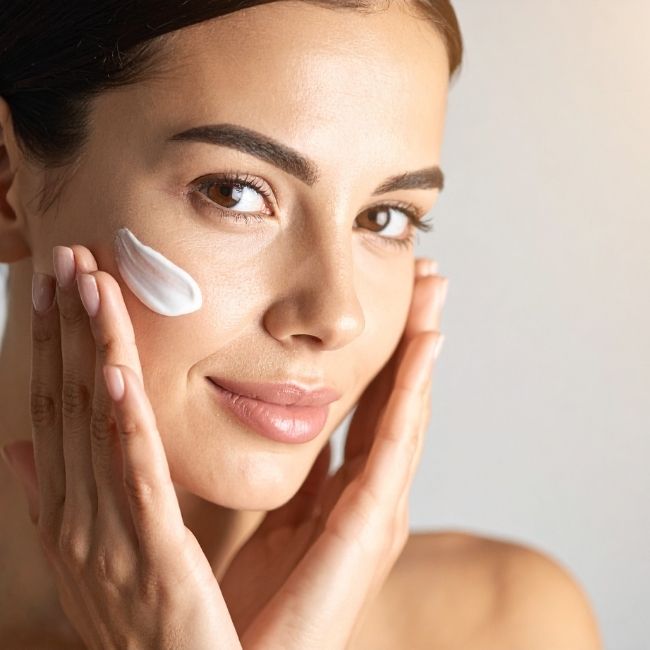
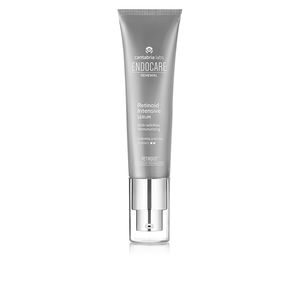
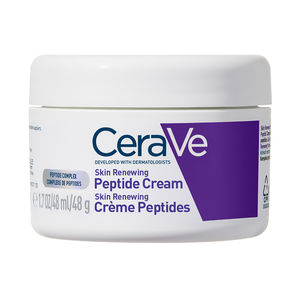
When it comes to anti-aging ingredients , few comparisons raise as many questions as that between peptides and retinol . Both help improve the skin's appearance , promote collagen production , and contribute to combating the signs of skin aging , but they do so in very different ways.
You may have heard that retinol is essential for treating wrinkles and dark spots , while peptides are the ideal option for strengthening skin without irritating it . So the question arises: which is better?
The truth is, there's no single answer. It all depends on your age, your skin type, your goals, and where you are in your skincare routine.

Retinol is a form of vitamin A widely used in cosmetics for its ability to accelerate cell renewal and stimulate collagen production.
Its action helps improve various visible signs of aging, such as fine lines , wrinkles, loss of firmness, and age spots caused by sun exposure or the passage of time. It also helps refine skin texture and improve radiance.
It is undoubtedly one of the most dermatologically supported ingredients. But it is also one of the most demanding. It can cause irritation, peeling, and sun sensitivity, especially during initial use or on sensitive skin. It is not for everyone or for every situation. Therefore, a gradual introduction into an anti-aging routine is usually recommended.
Peptides are short chains of amino acids that act as messengers between skin cells. They "tell" fibroblasts to produce more collagen, elastin, and hyaluronic acid. They don't aggressively accelerate cell renewal; rather, they work from within to strengthen the dermal structure gradually and gently.
They are much better tolerated than retinol, suitable for sensitive, reactive, or rosacea-prone skin . And although their results are more gradual, the cumulative effect over time is very significant. In anti-aging, consistency always wins over speed.
Although both ingredients are frequently used in anti-aging routines, there are important differences that are worth knowing.
In other words, both contribute to stimulating collagen, but they use different mechanisms to achieve this.
Yes, and it can actually be a very smart combination. Ideally, you should use retinol at night , when your skin is in repair mode and there's no sun exposure, and peptides in the morning as part of a more nourishing and protective routine.
If you have sensitive skin, start with peptides exclusively and gradually introduce retinol, once or twice a week at first. Don't force your skin; work with it.
This is the question that really matters. There is no universal answer, but there are clear profiles:
If you are under 30 and want to prevent the first signs of aging, improve skin quality and maintain good collagen production, peptides can be an excellent starting point.
When visible wrinkles, loss of facial firmness , uneven texture, or blemishes are already present, retinol often becomes one of the most effective active ingredients in an anti-aging routine.
Sensitive, reactive, or redness-prone skin types generally tolerate peptides better. Their gentle action strengthens the skin without increasing irritation.
The combination of peptides and retinol can offer a more comprehensive strategy to improve firmness, skin elasticity , texture, and radiance, provided the skin tolerates both active ingredients properly.
Many people abandon these assets because they don't use them correctly. Some common mistakes are:
Consistency is usually much more important than intensity.
The peptides vs. retinol debate is a trap, because the answer isn't choosing one and discarding the other. The answer is understanding what your skin needs right now and building from there.
If your skin craves gentleness and preventative care, peptides are the perfect starting point. If you're looking for more visible results against wrinkles or dark spots, retinol is a great ally, used wisely and consistently. And if your skin can handle both, a combined morning-night routine can be the most comprehensive strategy you've ever tried.
The most important thing: listen to your skin, respect its rhythms, and don't fall into the trap of changing active ingredients every week just because something new is trendy. Effective skincare is built on patience, knowledge, and the right ingredients for you.
Just register and we'll send you a welcome email with the bonus.





 Personalised
 Beauty corner
 Universe
 Your essentials
 Special
 SUNGLASSES









 Commitment to
 Mothers
 Sunglasses





 Your beauty
 Download