 Gift
Gift  Autumn
  Beauty Corner
 Viral
Viral 














OUR UNIVERSES
Enjoy and explore the themed experiences created for those who are looking for something more
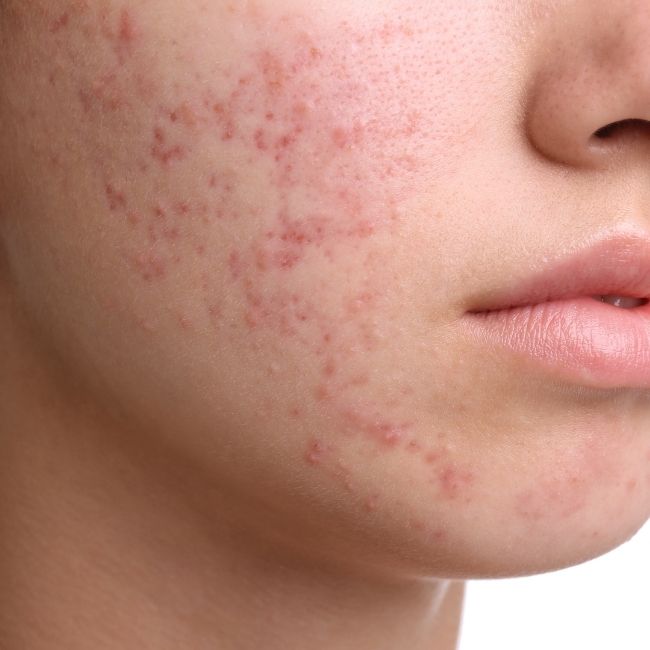
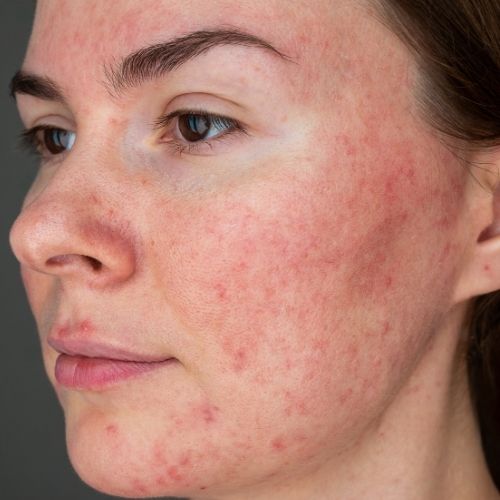
You finally managed to get those annoying pimples under control, but now the marks remain. Reddish, brown, or darker than the rest of your skin, they can take a long time to disappear and make it seem like the acne hasn't completely ended.
Although the marks may seem permanent, the epidermis is constantly renewing itself. With the right active ingredients and some patience, combating them is entirely possible.
Before investing in products, it is necessary to understand what is happening to your skin, because not all acne scars are the same and, therefore, do not need the same treatment.
Post-acne marks , technically known as post-inflammatory hyperpigmentation , typically appear as reddish, brown, or dark areas after a pimple has healed. They are caused by inflammation of the skin and, in many cases, fade over time.
Atrophic scars are different: they appear as small depressions or irregularities and occur when inflammation has affected the collagen. In these cases, cosmetics can help improve the overall appearance of the skin, but it is usually necessary to discuss other treatments with a dermatologist.

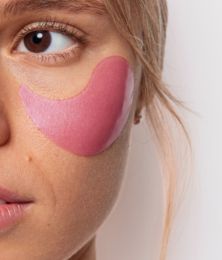
The temptation to squeeze a pimple is real, especially when it appears right before an important event, but resist it. However, touching, scratching, or trying to pop it can cause minor skin injuries, increase inflammation, delay healing, and even leave a scar.
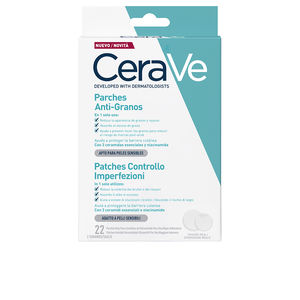
If you're tempted to touch it, a hydrocolloid dressing can be a good alternative. It helps protect the area, prevents you from picking at it, and can promote healing of the pimple.
There are several active ingredients that can help in a routine to improve the appearance of marks and prevent new outbreaks.
If you could only choose one active ingredient to start with today, let it be niacinamide . It's good for almost everything, because it helps strengthen the skin barrier, soothes the skin, and gradually improves the appearance of skin tone. Meanwhile, salicylic acid exfoliates the skin and helps keep pores clear. It's especially useful when, in addition to blemishes, you're also getting pimples or blackheads .
Retinol is the king of cell renewal and can help improve uneven texture and tone, but there's no need to rush. It's best to introduce it gradually to avoid irritation. You can also use vitamin C , an antioxidant that helps improve skin radiance and even out its appearance.
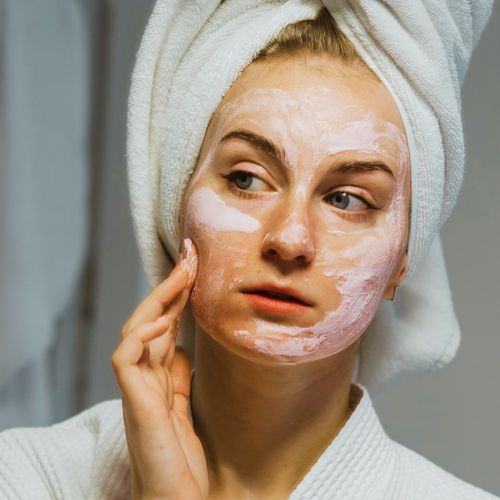
In the morning, start with a gentle cleanser that doesn't leave your skin feeling tight. Then you can apply a serum with vitamin C or another antioxidant, followed by a moisturizer suitable for your skin type.
And there's one step you shouldn't skip: sunscreen . Sun exposure can make blemishes appear darker and take longer to fade. That's why using sunscreen every day is especially important when you're treating post-acne marks .
At night you can incorporate some of the active ingredients that help improve the marks, always taking into account how your skin responds.
Retinol and exfoliants like salicylic acid can be part of your routine, but you don't need to use them together or every night. Alternating them can be an easier way to avoid irritation.
If you're starting with retinol, try it two or three nights a week and gradually increase the frequency if your skin tolerates it. On the other nights, you can focus on moisturizing and repairing your skin barrier .
If irritation, severe peeling, or sensitivity occurs, reduce frequency and consult a dermatologist if discomfort persists.
There's no exact timeframe. Some marks may fade in a few weeks, while others take several months. It all depends on factors such as the type of mark, the intensity of the inflammation, skin tone, and consistency with skincare.
That's why we recommend you don't change products every few days looking for immediate results. Your skin needs time to respond.
Maintaining a simple routine, using the right products, and protecting yourself from the sun is usually more helpful than accumulating too many products.
Acne scars don't disappear overnight, but you don't have to resign yourself to them. With a consistent routine and products suitable for acne-prone skin, you can help them gradually fade.
And remember that if the marks are deep, appear frequently, or do not improve with regular care, it is best to consult a dermatologist.
Just register and we'll send you a welcome email with the bonus.





 Perfume
 Beauty Corner
 Univers
 Univers








 Commitment to
 Mothers
 Sun creams
 Sunglasses
 Beauty
 SUNGLASSES




 Your beauty
 Download