 Travel
  Gift
Gift  Beauty Corner
 Viral
Viral 















OUR UNIVERSES
Enjoy and explore the themed experiences created for those who are looking for something more

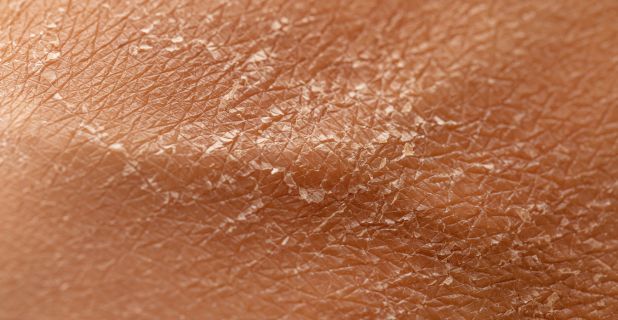
Winter is not kind to the skin. Low temperatures, wind, heating, and sudden changes in weather cause skin to dry out much more easily, leading to tightness, flaking, and even irritation. If you notice your skin looking duller every year when the cold weather arrives, you're not alone: it's one of the most common beauty concerns during this season.
The good news is that understanding why this happens will help you choose the best products and habits to keep your skin hydrated, soft, and protected during this time of year.
Dry skin in winter does not appear for a single reason, but for the combination of several environmental factors that directly affect the skin barrier.
In cold climates, humidity decreases and the skin loses water more quickly. As a result, it feels rougher, tighter, and more sensitive.
Going from the cold outdoors to the heat of the heating causes thermal stress that affects the skin's barrier function, facilitating dehydration.
Highly heated spaces reduce air humidity, causing a sustained loss of hydration in the skin, especially on the face and hands.
During winter, the skin produces fewer natural lipids. With fewer of its own oils, the skin retains moisture less effectively and becomes drier.
Cold wind can remove the skin's protective oils and cause redness, cracking, or peeling.
It is important to differentiate between these two concepts, as they do not require exactly the same care:
They can coexist in winter, but both respond well to a well-formulated routine.
Opt for textures that strengthen the skin's protective barrier. Use products with ceramides, shea butter, squalene, hyaluronic acid, glycerin, or other nourishing oils. All these active ingredients help the skin retain moisture better and stay comfortable throughout the day.
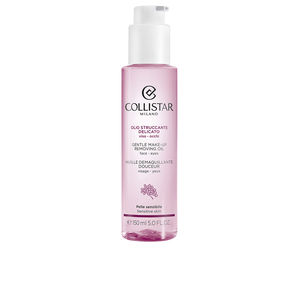
Replace gels or highly foaming facial cleansers with gentler formulas. We recommend cleansing milks or makeup-removing oils. Maintaining your skin barrier is a priority in winter.
Exfoliation helps remove dead skin cells and improves the absorption of moisturizers. Avoid harsh exfoliants that can further irritate your skin.
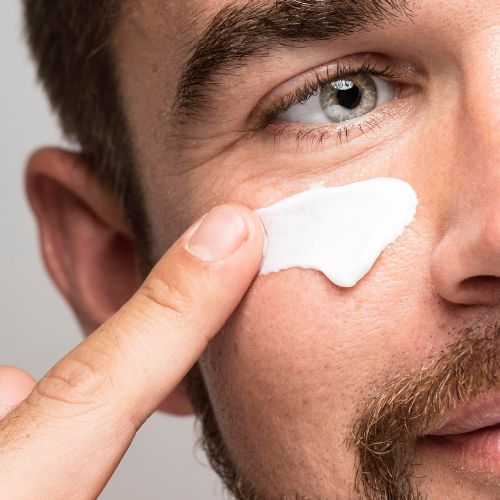
A lightweight serum with hyaluronic acid, panthenol or niacinamide boosts daily hydration and soothes areas sensitized by the cold.
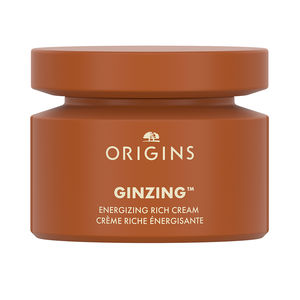
During winter, your skin needs formulas that lock in moisture. Rich, nourishing textures create a barrier that protects against the cold and wind.
The sun damages skin even in winter. UV rays are still present and can weaken the skin barrier, increasing dryness. A daily sunscreen with SPF is essential year-round.
A humidifier helps counteract the dryness caused by heating. It's especially useful at night to prevent your skin from losing moisture while you sleep.
Drink plenty of water and choose foods rich in essential fatty acids (avocado, nuts, salmon). Well-nourished skin always shows on the outside.
Dry skin in winter doesn't have to be an unavoidable problem. With the right routine, nourishing ingredients, and a few simple tricks, you can keep your skin hydrated, protected, and radiant even on the coldest days. Listening to your skin's needs and adapting your care to the season is key to a healthy and comfortable complexion all year round.





 Personalised
 Beauty corner
 Universe
 Your essentials
 Special
 SUNGLASSES









 Commitment to
 Mothers
 Sunglasses





 Your beauty
 Download