 Gift
Gift  Autumn
  Beauty Corner
 Viral
Viral 












OUR UNIVERSES
Enjoy and explore the themed experiences created for those who are looking for something more
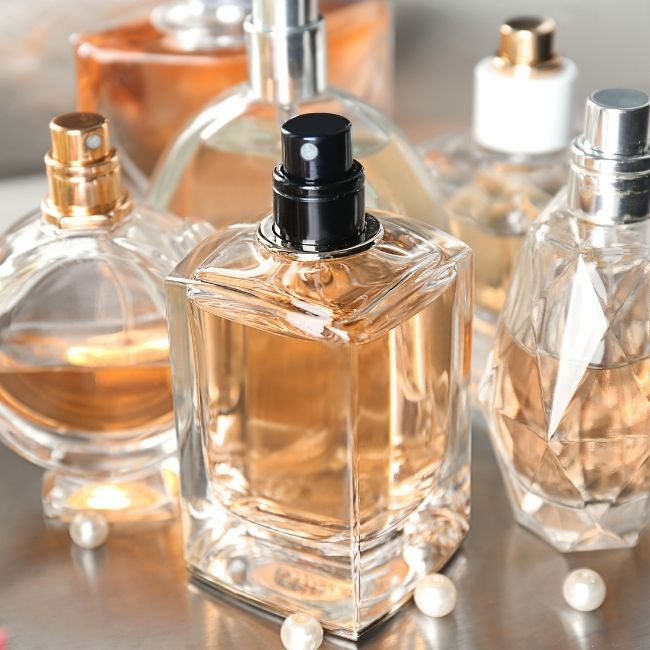
It's nine in the morning and you walk into a business meeting. Someone has just walked through the room, and their perfume lingers there, impossible to ignore. Hours earlier, the exact opposite had happened: you put on that fragrance you love so much, and by eleven, even you couldn't smell it on your skin anymore.
Choosing between a discreet and an intense perfume goes beyond personal taste: it depends on the moment, the time of day, the place, the season and the space, so that your scent accompanies without invading, or stands out without going unnoticed.
There's no one fragrance that's better than another here: there are compositions designed for different purposes. What makes the difference between a perfume that feels subtle and one that commands attention is, above all, the concentration of essential oils and the sillage —that olfactory trail you leave behind.
Three factors explain why a fragrance behaves one way or another on your skin: the concentration of essence, the extent of its projection , and the type of notes it contains. An eau de toilette or cologne typically contains between 5% and 12% aromatic essence, just enough for a clean and approachable presence. An eau de parfum or extract, on the other hand, can reach 20% or more, resulting in a projection that is noticeable as soon as you enter a room and lingers long after you've left.
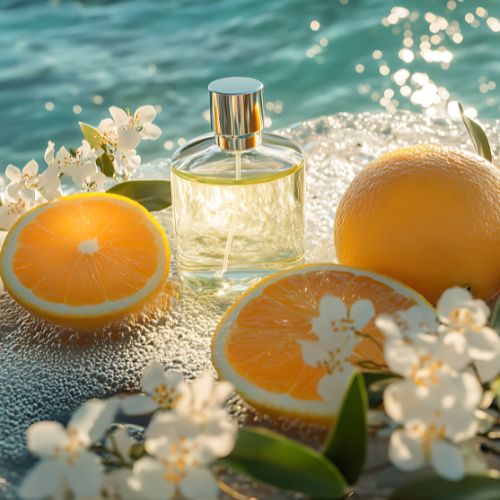
The notes also tell their own story. Light fragrances typically open with citrus, white flowers, or aquatic accords—fresh but fleeting, lasting between 3 and 5 hours on the skin. Intense fragrances rely on woods, amber, spices, or vanilla— base notes that take time to unfold but stay with you for 6 to 10 hours, sometimes longer.
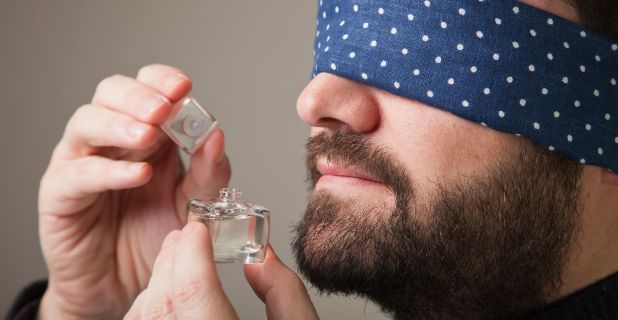
In everyday life, a subtle fragrance is your best ally. It doesn't seek attention: it conveys care, freshness, and that just-showered feeling that's so popular in Europe.
In the office or any enclosed space, olfactory etiquette matters more than we think. A very strong perfume can be intrusive in a small meeting room or a shared office, while a subtle one remains professional and pleasant at close range, which is precisely where it should be noticeable.
The heat is unforgiving. In spring and summer, heavy fragrances evaporate differently and can become cloying, almost overwhelming, in high temperatures. Citrus colognes or those with marine notes are much more welcome when the thermometer rises.
And then there's the skin. Many pharmacy formulas are designed for sensitive skin: low in alcohol, with soothing extracts that make them perfect to apply right after showering, without fear of irritation.
There are moments that call for a fragrance with character, one that is remembered.
Dinners, dates, and evening plans are ideal settings for intense perfumes . In open spaces or when people are close together, notes like leather, wood, amber, or vanilla add that sophisticated touch that lingers in the memory of the wearer, without being overpowering.
The cold works in your favor. In autumn and winter, low temperatures slow the diffusion of aromatic molecules, and light fragrances tend to fade prematurely. An intense perfume, on the other hand, clings better to the cold and envelops the skin almost like an extra layer of clothing.
Whether your fragrance is light or strong, these habits make the difference between a scent that fades by mid-morning and one that stays with you all day.
First, moisturize your skin well before applying perfume . Dry skin absorbs and releases aromatic oils much faster, so applying an unscented body lotion to your décolletage and arms before spraying helps a lot in setting the fragrance.
Second, apply to pulse points : wrists, neck, behind the ears, without rubbing. The natural heat of these areas releases the perfume gradually, and rubbing your wrists together breaks down the structure of the top notes, something many of us do out of habit without realizing it works against you.
Third, apply it sparingly to clothing; a light spray on a jacket lapel or handkerchief keeps the scent alive for hours, although it should be avoided on silks or delicate fabrics that may stain.
Can I wear a strong perfume during the day?
Yes, no problem, as long as you control the amount. Instead of several sprays, a single application to the nape of the neck or chest is enough to maintain the scent without being overpowering during work hours.
Why does a subtle perfume smell stronger on someone else than on me?
Skin pH , hydration level, and even diet affect how each person reacts to the same fragrance. Well-hydrated skin always retains any perfume better, whether subtle or bold.
How many times a day should you apply perfume?
It depends on how long you want it to last, but as a general rule, one or two applications are enough: one in the morning and, if needed, a light touch-up in the mid-afternoon. Over-spraying doesn't make the perfume last longer; it only saturates the air and can be bothersome to those around you.
Just as you wouldn't wear the same shoes to the gym as you would to a fancy dinner, your skin doesn't need the same fragrance all the time. The key isn't finding a single scent for life, but rather having a versatile and discerning fragrance collection.
Having a subtle perfume for office mornings and a bolder one for when you feel like making a statement gives you the freedom to dress your skin according to the occasion, the weather, or simply your mood. Remember, there are no hard and fast rules here; you decide what kind of impression you want to leave today.
Just register and we'll send you a welcome email with the bonus.





 Perfume
 Beauty Corner
 Univers
 Univers








 Commitment to
 Mothers
 Sun creams
 Sunglasses
 Beauty
 SUNGLASSES




 Your beauty
 Download